How Apex Deck Builders Austin Delivers Quality Craftsmanship
From Vision to Reality: Our Comprehensive Deck Building Process
The deck building process encompasses a series of important phases, all aimed at transforming a vision into reality. It begins with understanding personal preferences and progresses through careful material choices and detailed planning. Following local regulatory requirements is critical to keeping the project on track. During the building phase, quality craftsmanship and attention to detail take center stage. With each step forward, carefully considered upgrades enhance the overall area. Which features will set this outdoor sanctuary apart? Clarity will emerge with each subsequent step.
What's Your Dream Deck Look Like?
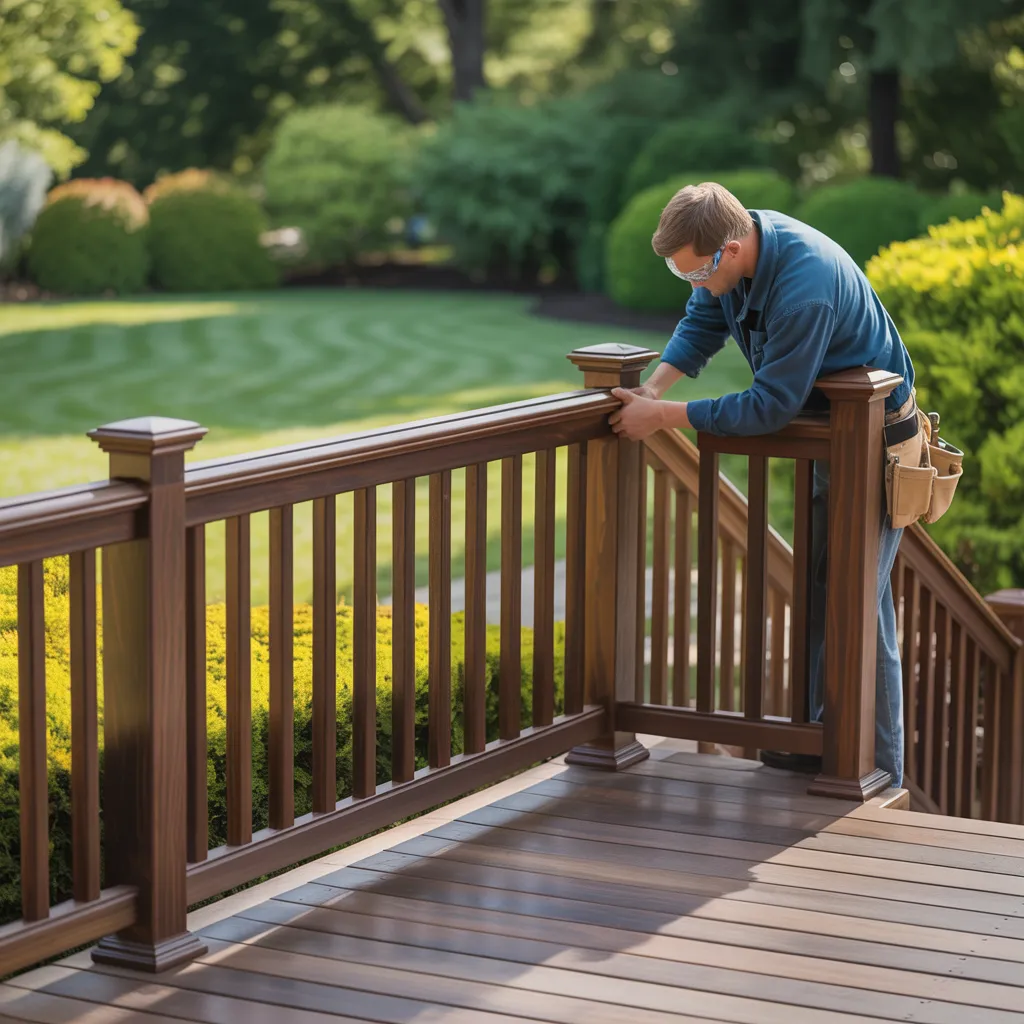
What factors determine a perfect deck for a homeowner? An ideal deck typically embodies personal style and functional needs. Visual elements may encompass hues, balustrades, and surface materials that blend seamlessly with the home's architecture. The overall design serves a critical purpose; whether it features an expansive space for gatherings or an intimate corner for relaxation, the design should cater to specific activities.
Moreover, features such as incorporated seating areas, overhead shade structures, or decorative lighting boost comfort and overall appeal. Careful thought about the surrounding environment is necessary, as the deck must harmonize naturally with its surroundings while delivering unobstructed sightlines and convenient accessibility.
Practicality is key; the deck must hold up against the elements and accommodate various gatherings. Ultimately, the optimal deck merges aesthetics, functionality, and longevity, establishing an outdoor space that aligns with the homeowner's personal taste and way of living. In this way, it becomes not just a continuation of the living space, but a customized sanctuary.
Picking the Right Materials for Your Deck Building Endeavor
Selecting high-quality materials is critical to creating a ideal outdoor deck. The decision of materials greatly affects the deck's lifespan, aesthetics, and maintenance requirements. Popular choices include treated lumber, engineered composites, and premium hardwoods, each delivering specific strengths. Pressure-treated wood is cost-effective and durable, ideal for various climates. Composite decking, made from reclaimed wood fibers and plastics, offer minimal upkeep and durability against rot and insect damage, making them an popular selection for countless property owners. Premium hardwoods, while costlier, deliver remarkable aesthetics and resilience, best suited to those desiring a high-end appearance. Additionally, decking boards, railings, and fasteners should be chosen with care, guaranteeing they match the full visual scheme while maintaining structural integrity. Ultimately, committing to high-quality materials will elevate the deck's functionality and beauty, ensuring it remains a beloved outdoor retreat for many years ahead.
Organizing Your Deck Layout and Design Elements
When considering a deck layout and design features, it is crucial to evaluate the exterior space to guarantee ideal use. Thoughtful selection of materials can improve both visual appeal and practicality. Moreover, planning a layout that allows for different activities will enhance overall satisfaction and function.
Assessing Your Outdoor Space
How can someone properly examine their outdoor space before beginning a deck-building project? The first step requires measuring the available area to identify the size and configuration that will best support a deck. Evaluating existing structures, such as trees, pathways, and fences, is essential for guaranteeing the design blends with the surroundings. Additionally, considering sunlight patterns can affect the placement of the deck for ideal shading or sun exposure. Identifying the intended purpose of the deck—whether for entertaining, relaxation, or gardening—further shapes the layout and features. Finally, taking local zoning regulations and potential permits into account secures compliance and eliminates potential setbacks. This comprehensive assessment establishes a strong basis for a successful deck design.
Choosing Materials Wisely
The foundation of a successful deck lies in choosing materials wisely, as the selection influences both look and lasting quality. Many material options are on the market, with each providing distinct pros and cons. Natural wood delivers a warm, timeless aesthetic but requires regular maintenance to prevent rot and fading. Composite decking, made from recycled materials, offers longevity and low maintenance, although it may not fully replicate the natural look of wood. PVC decking presents an additional choice, recognized for its ability to repel moisture and stains, rendering it well-suited for moisture-prone regions. Furthermore, railing systems and add-ons should harmonize with the selected materials, enhancing overall design. Ultimately, selecting materials that align with the desired style, maintenance preferences, and environmental considerations is essential for a successful deck project.
Developing Functional Layouts
A carefully planned deck layout improves both comfort and utility of exterior living areas. When designing a deck, it is essential to account for the desired application, whether for welcoming guests, enjoying leisure, or tending to plants. Important elements such as furniture placement, access routes, and sun protection should be carefully arranged to enhance spatial efficiency and overall comfort.
Incorporating distinct zones can help delineate areas for lounging, cooking, and dining, facilitating a seamless flow between spaces. Moreover, the deck's orientation relative to the sunlight and wind patterns can shape design choices, ensuring perfect conditions throughout the year.
Fundamentally, a well-designed layout not only showcases the homeowner's daily life but also enhances the surrounding environment, creating a balanced expansion of the home that is both practical and aesthetically pleasing.
Obtain Your Permits and Learn About Local Regulations
Before beginning construction, it is essential to look into local regulations that govern deck building. Being aware of these rules helps secure compliance and sidestep potential penalties. Additionally, securing the required permits is an essential part of the deck building process.
Explore Local Regulations
How can homeowners confirm their deck construction project adheres to local laws? The first step involves careful research into local guidelines overseeing deck construction. Homeowners should visit municipal websites or reach out to local building departments to learn about specific zoning laws, setback requirements, and height restrictions. Additionally, they must be knowledgeable of any homeowners association (HOA) regulations that may impose further limitations. Local codes often outline materials, safety standards, and construction methods, so thorough comprehension is essential. Consulting neighbors can also offer information about past projects and potential challenges. By diligently researching this information, homeowners can ensure their deck design meets legal requirements, ultimately enabling a more seamless construction experience and preventing potential conflicts or fines.
Secure the Necessary Permits
Acquiring the required permits is a critical step in the deck construction process. It ensures compliance with local regulations and safety standards. Property owners must first check with their local government to understand specific requirements, as these can vary considerably by location. In most cases, permits may involve providing detailed plans, including materials and dimensions, to municipal officials for review and approval. This stage often includes inspections to confirm that the construction meets zoning laws and building codes. Not securing the appropriate permits can result in penalties, mandatory removal of the deck, or significant project delays. Consequently, understanding local regulations and securing the necessary documents is imperative for a compliant and well-executed deck installation.
Creating Your Deck: Step-by-Step Instructions
Building a deck requires a precise and organized approach that guarantees a sturdy and visually appealing structure. The workflow starts with preparing the site, which includes removing debris and grading the surface. Subsequently, the groundwork is established, generally employing concrete footings to provide structural support. Once the footings are set, the copyright board is attached to the house, offering a stable connection for the deck.
Subsequently, the frame is constructed using durable treated timber, which includes beams and joists to reinforce the deck surface. Upon completion of the framing, the deck boards are put in place, often laid out in a pattern that maximizes aesthetic appeal. Railings are then added for structural safety and aesthetic style, confirming conformity with local safety requirements.
As a last step, the deck undergoes careful examination to ensure structural integrity. In see now this critical phase, attention to detail is essential, as it builds the basis for a durable outdoor space that can withstand the forces of nature.
Personalizing Your Deck: Decorations and Finishing Touches
What elements can transform a standard deck into a personalized retreat? Thoughtful decor and accessories play a vital role in this transformation. Outdoor furniture, such as stylish lounge chairs and dining sets, creates a welcoming atmosphere. Incorporating textiles like cushions and throws in vibrant colors or patterns adds comfort and visual appeal.
Lighting is another essential aspect; string lights or lanterns can create a warm ambiance for evening gatherings. Potted plants or vertical gardens not only improve the overall look but also incorporate natural features that can reduce the harshness of solid surfaces.
Individual elements, such as personalized signs or distinctive artwork, highlight personal style and give the area a distinctive character. Finally, including useful additions such as fire features or outdoor cooking stations can improve the deck's overall utility, transforming it into a preferred destination for leisure and gatherings. Overall, all of these features work together to create a customized outdoor sanctuary.
Common Questions and Answers
What Is the Typical Duration of the Entire Deck Building Process?
The complete deck construction process generally spans two to six weeks in total, depending on factors such as weather conditions, material availability, and design complexity. Every project is different, significantly impacting the overall schedule.
What Is the Typical Cost Range for a Custom Deck?
The typical cost range for a custom deck differs significantly, generally falling between $15 and $50 per square foot, based on material choices, design intricacy, and labor costs in your area, impacting the overall budget substantially.
Do You Provide Warranties on Your Deck Construction Work?
Indeed, deck construction warranties are available, ensuring protection against defects and providing peace of mind. Terms and duration can differ, allowing customers to choose coverage that best suits their individual needs and preferences.
Is It Possible to Build a Deck in the Winter Months?
Indeed, installing a deck in the winter season is possible, but it demands particular considerations. Low temperatures can impact installation processes and materials, so proper planning and suitable techniques are vital for proper cold-weather construction.
How Do You Manage Unexpected Problems During Construction?
Unexpected issues during construction are addressed through proactive communication, on-site assessments, and flexible problem-solving strategies. The crew reviews possible alternatives, engages with clients, and delivers effective resolutions to limit interruptions and preserve project deadlines.